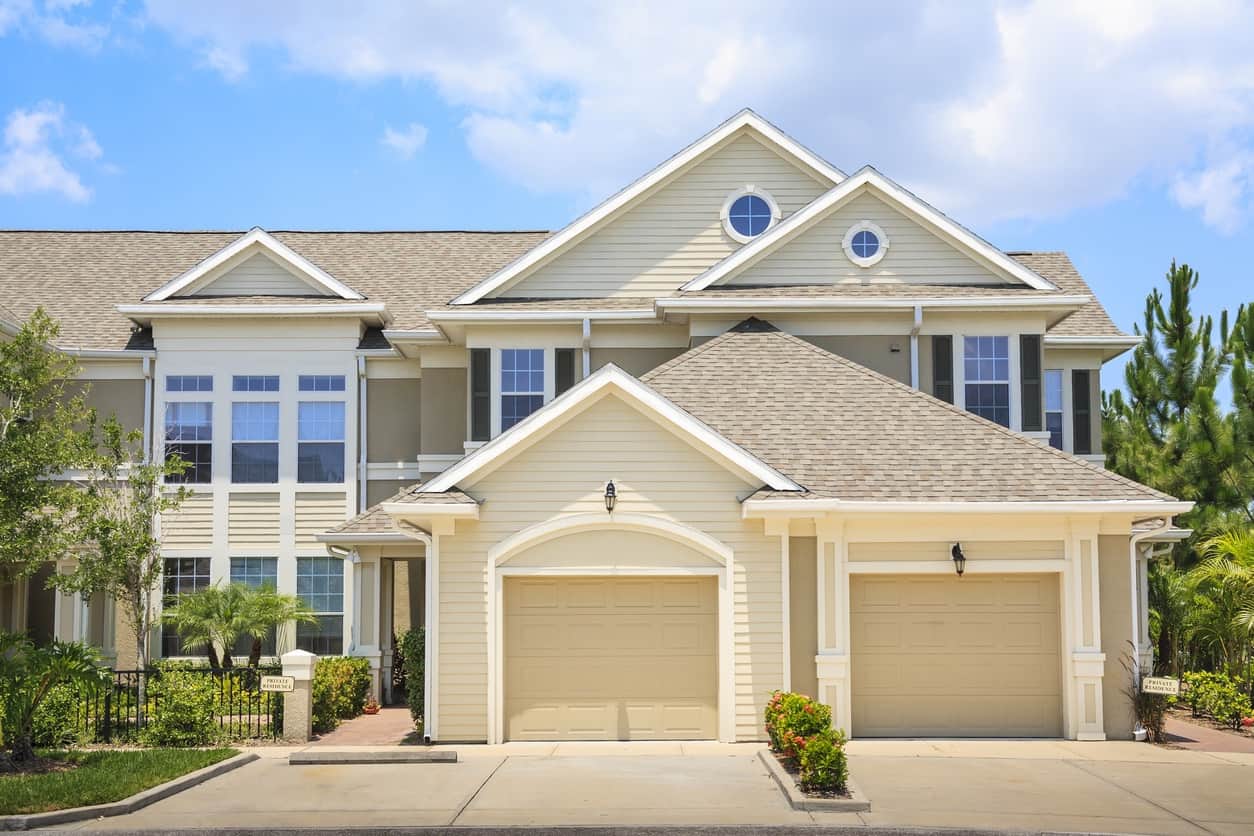
Homeowners call me every week after a rainy Fort Myers summer. They all ask some version of the same question: should I repaint in flat, satin, or something with more shine? A flat vs satin exterior paint decision changes how long your paint job survives our sun and storms. But it is not just about how it looks in the driveway. After years of repainting homes across Southwest Florida, I have learned one thing. Exterior paint sheen is not a small detail you pick last. It is one of the choices that decides whether your paint still looks sharp in five years, or starts chalking and streaking in two. My crew and I wash, repair, and seal every surface before we paint. Picking the right sheen is part of that same process, not an afterthought at the paint counter.
Why Exterior Paint Sheen Matters More in Fort Myers
Paint sheen is not just a style choice everywhere, but it matters even more here. The National Weather Service’s 30 year climate normals for Fort Myers put annual rainfall above 57 inches. June through September carry most of it. Add in the sun and the salt air near the coast, and a coating with the wrong sheen breaks down fast, faster than the can label ever promised. A finish that works fine in Ohio or Georgia can chalk, streak, or trap mildew here within a couple of seasons. Sheen affects how a coating sheds water. It affects how well a surface hides dirt. It also affects how well a finish resists the mildew that thrives in our humidity. None of that is something to leave to guesswork.
Flat vs Satin Exterior Paint: What Each Sheen Actually Does
The flat vs satin exterior paint question comes up on almost every stucco estimate I write. But the real difference is not about looks. It is about how each finish handles light, dirt, and repair work over time. Flat paint reflects almost no light, so it softens the look of stucco and hides patch work, uneven texture, or old repairs. Satin, sometimes called low-lustre or eggshell, carries a light reflection that resists dirt and moisture a little better while still forgiving minor texture. Gloss and semi-gloss sit at the top end. They reflect the most light and stand up best to washing and daily touch, according to Sherwin-Williams’ own sheen and gloss guidance.
| Sheen | Shine Level | Best For | Trade-Off |
|---|---|---|---|
| Flat | Little to none | Stucco body, patched or textured walls | Wipes clean less easily, shows stains over time |
| Satin or Low-Lustre | Light | Trim, soffits, fascia, some stucco bodies | Balances cleanability with hiding texture |
| Semi-Gloss | Moderate | Front doors, garage doors, shutters | Shows surface flaws; needs clean prep first |
| Gloss | High | Accent trim, some front doors | Highlights every ripple, rarely used on the main body |
Does Sheen Affect Heat and Fading in the Florida Sun
Sheen does not only change how paint looks up close. It also changes how paint holds up under direct sun. Higher paint-resin levels create higher sheen, and that denser surface tends to resist the sun’s breakdown a little better than a flatter finish, based on Sherwin-Williams’ own product testing. But color plays a bigger role than most homeowners expect, too. Darker colors absorb more heat and tend to fade sooner than lighter colors, no matter which sheen sits on top of them. That is why I look at color and sheen together on every estimate. I do not treat them as two separate decisions made at different points in the process.
Where Each Sheen Belongs on a Fort Myers Home
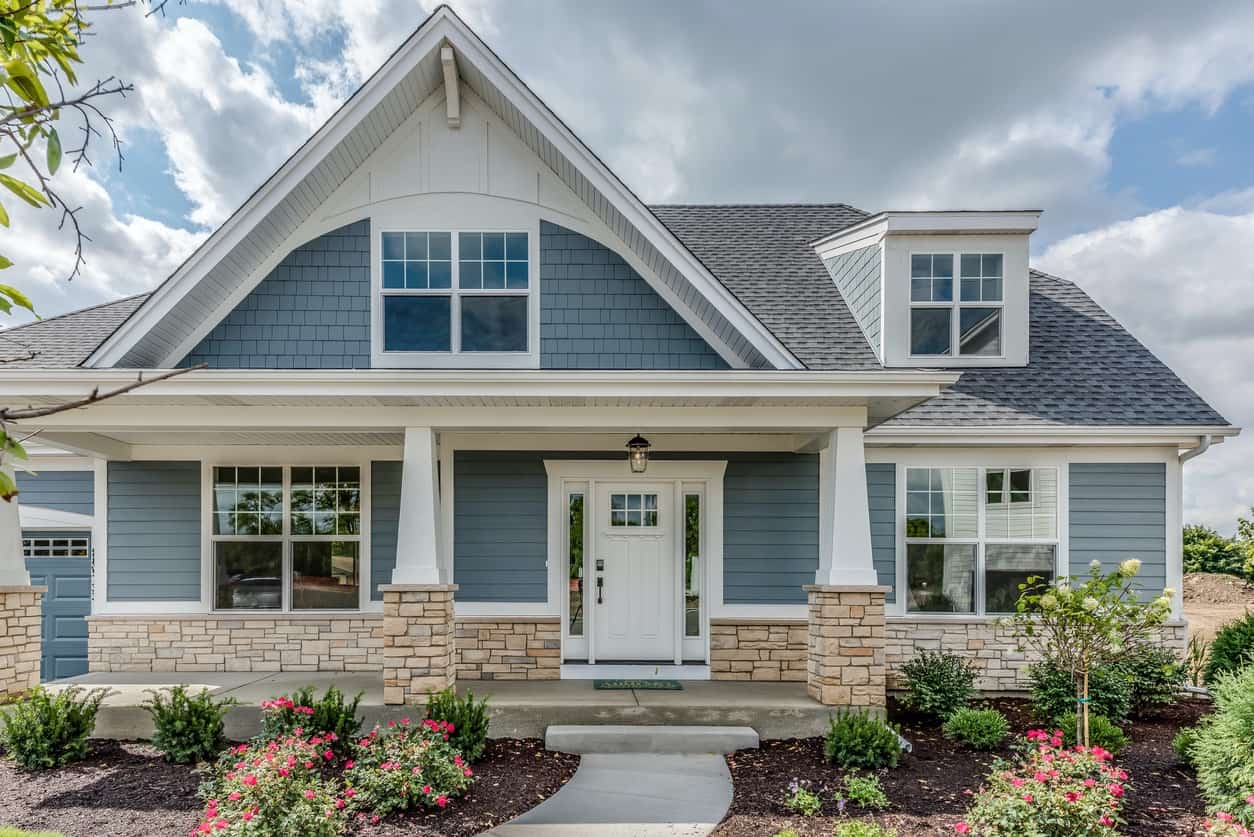
Every surface on your house works differently. The sheen that fits your stucco is rarely the one that fits your front door. Matching sheen to surface is one of the small decisions that adds years to a repaint, even though it rarely gets much attention.
What Happens When You Pick the Wrong Sheen
Homes across Fort Myers show the same pattern when the sheen does not match the surface or the climate. A high-gloss finish on textured stucco can highlight every patch and repair instead of hiding it. A flat finish in a spot that gets constant moisture, like a wall under an overhang or near a downspout, can hold onto mildew stains that a higher sheen would have shed. None of this means the paint itself failed. Instead, it usually means the sheen and the surface were never a good match to begin with. I have also walked properties where satin was used across the entire home, body included, and the owner was unhappy with the glare it threw off in the afternoon sun on the west side. Small mismatches like these are easy to avoid with a short walkthrough before the paint gets ordered.
How I Choose the Right Exterior Paint Sheen for Your Home
I do not pick a sheen off a swatch card and call it done. Before I write an estimate, I walk the exterior and look at each surface, how much direct sun it takes, and how much texture or repair work is involved. Sheen only performs the way the can promises when the surface underneath was prepped correctly first. On stucco, we spray and back-roll so the coating works into the texture instead of sitting on top of it, a step that matters even more with a lower sheen since there is less shine to hide an uneven coat. Then we apply Sherwin-Williams coatings matched to the sheen and surface, backed by a manufacturer warranty.
This is the same process I use on stucco and siding repaints across Fort Myers, Cape Coral, and Estero. The sun and storms do not treat any of these areas differently. Skipping a step to save time here is exactly what shows up as chalking or peeling within a year.