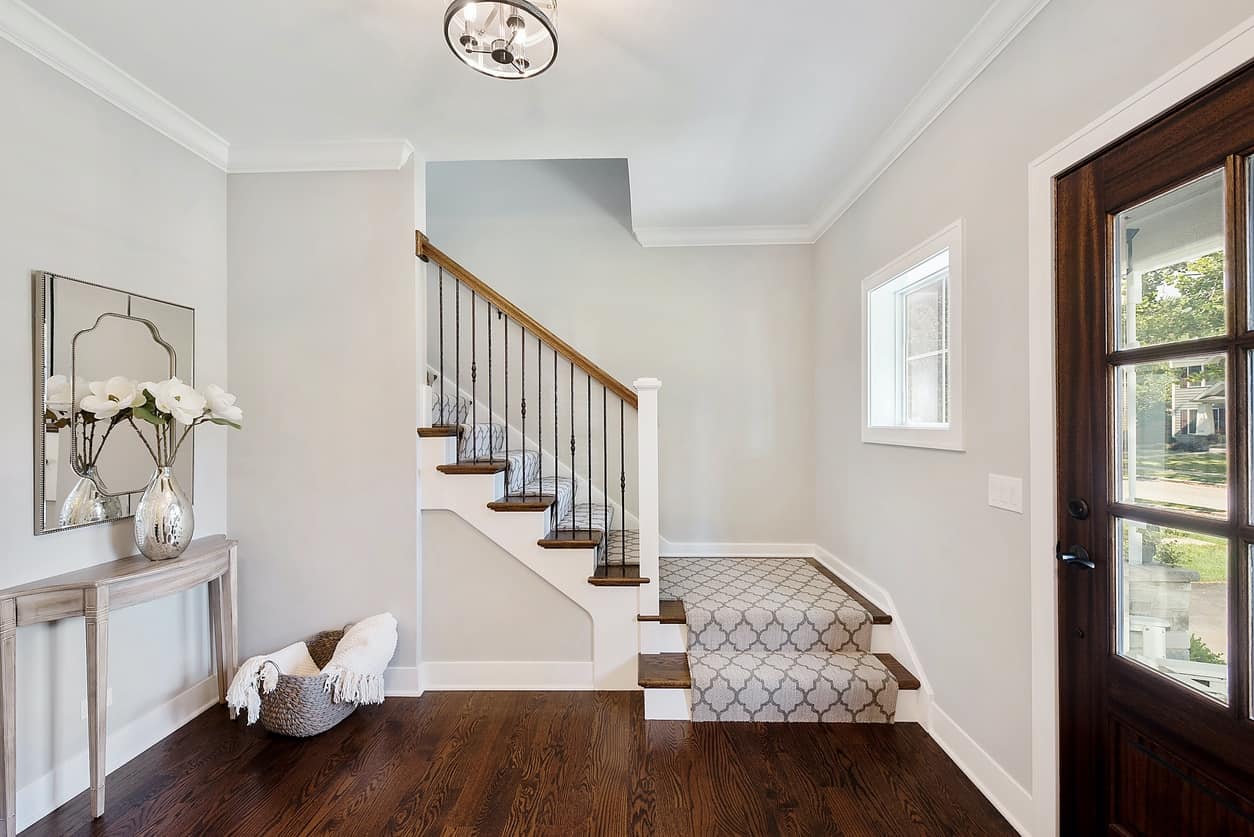
When homeowners here ask me about paint colors for small rooms, they are usually standing in a bedroom, bathroom, or den that feels tighter and darker than they pictured when they bought the place. The right paint colors to make a room look bigger can open up a space before you move a single piece of furniture. I have painted interiors across Cape Coral for years, and I have watched one color change make a small bedroom read as calm and open instead of closed in. That shift is not luck. It comes down to how light moves across your walls, and it is the same thinking my crew brings to every interior house painting project.
Why Small Cape Coral Rooms Feel Smaller Than They Are
Plenty of homes in Cape Coral and the rest of Southwest Florida were built with compact bedrooms, guest baths, and dens. How bright each one feels depends a lot on which way it faces and how many windows it has. A north-facing room takes in soft, cool light. A room with one small window can stay dim through the whole afternoon. When the walls wear a deep or heavy color, they soak up the light that is already scarce, and the space starts to feel like it is closing in. If a room in your home feels darker or tighter than the square footage suggests, the paint color is often part of the reason, and it is one of the easier things to change.
The Simple Rule Behind Paint Colors to Make a Room Look Bigger
Designers lean on one number more than any color name: Light Reflectance Value, or LRV. It runs on a scale from 0 to 100, where 0 is pure black and 100 is pure white. The higher the number, the more light the color reflects back into the room. Paint makers print the LRV on the back of most color chips, so you can compare two shades that look almost the same and see which one will read brighter on your wall. For a small or low-light room, most color pros point toward an LRV of about 70 or higher, since those shades bounce light around instead of soaking it up. Benjamin Moore’s own color team explains how lighter shades open up a small space, and the same rule holds no matter which brand ends up on your walls.
| LRV range | How it reads | Where it tends to fit |
|---|---|---|
| 80 to 100 | Bright, near white | Small or dim rooms, low-light bedrooms and baths |
| 60 to 80 | Light and airy | Most small rooms with some window light |
| 40 to 60 | Mid neutral | Rooms with strong natural light |
| Below 40 | Deep and cozy | Accent walls, larger bright rooms |
A higher number is not automatically the better choice. A stark white in a sunny room can look flat and cold, while a soft off-white in that same room feels warm and open. What matters is matching the LRV to how much light the room already gets.
Paint Colors for Small Rooms, Room by Room
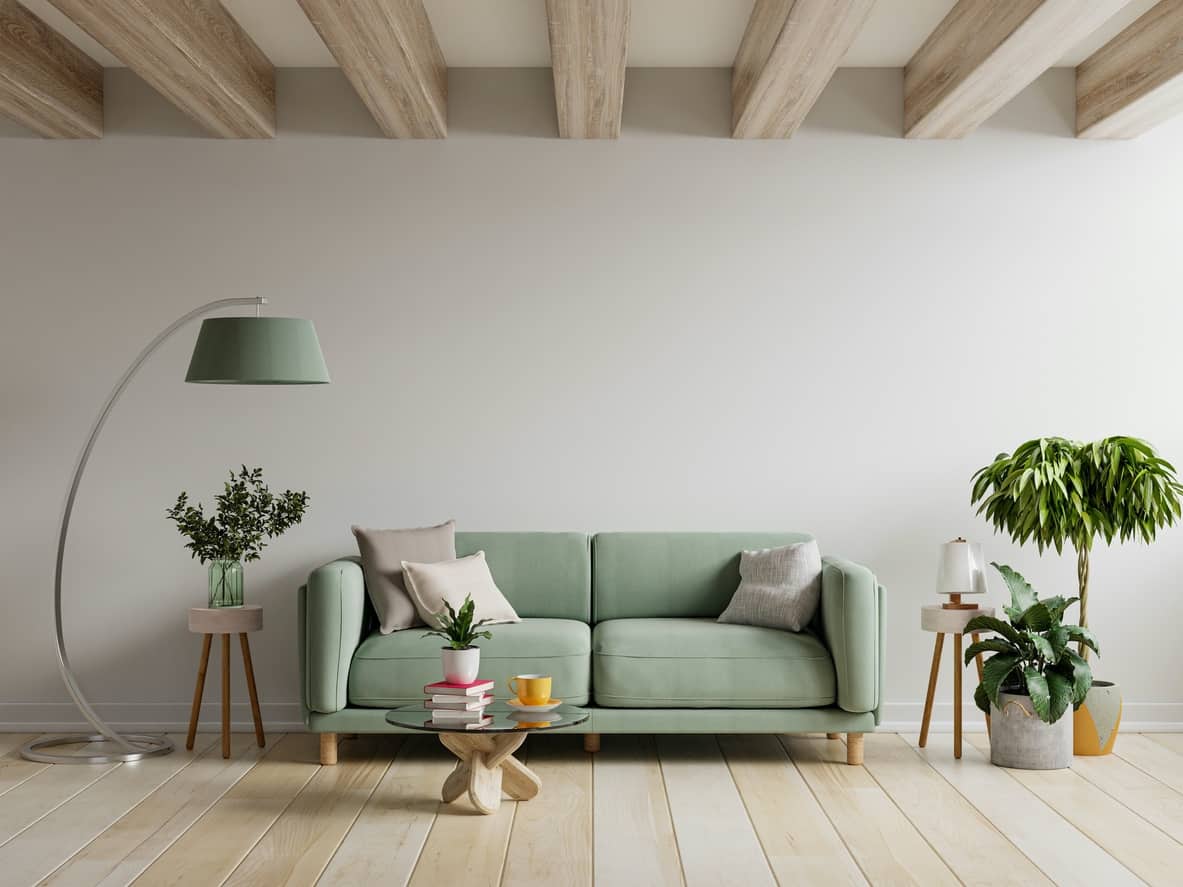
Not every small room wants the same shade. Here is where I usually point homeowners, based on how each space is used and lit:
Interior designers who work with tight spaces tend to repeat the same advice, and you can see a wider set of real rooms in this breakdown from Homes and Gardens. When my crew handles professional interior painting for a client in Fort Myers or nearby, we treat color as part of the job, not an afterthought.
Simple Painting Tricks That Stretch a Small Room
Color choice is the start. A few painting moves make the effect stronger:
- 1Paint the ceiling the same color as the walls, or a shade lighter. Your eye does not stop at a hard line, so the room feels taller.
- 2Keep trim close to the wall color instead of a bright white contrast. Low contrast blurs the edges and makes walls feel farther apart.
- 3Choose an eggshell or satin sheen. It reflects a little more light than a flat finish without looking shiny.
- 4Stick to one color family across connected rooms. A tonal flow makes the whole area feel larger than a patchwork of shades.
Color Choices That Can Backfire in a Small Room
A few common moves make a small room feel smaller, not larger:
None of these ruin a room on their own. Together, they can quietly undo the open feeling you were after. This is the point where a second opinion saves you a repaint.
How We Take the Guesswork Out of Color
Picking a shade from a screen or a chip is where most of the worry comes from, and it is the part homeowners most often ask us to handle. Before we paint, we bring samples to your home, put them on your actual walls, and look at them in both morning and evening light. We match the shade to your flooring, your fixtures, and the way the room faces. Color help is part of our interior service, not an added line on the invoice. We do this for homes across Cape Coral, Fort Myers, and Estero, and the goal is the same every time: you feel sure about the color before the first coat goes on. Homeowners have left more than 170 five-star reviews for our work, and we have finished more than 180 interior and exterior projects around the area.